
Good Quality embryo and Age of woman matter most

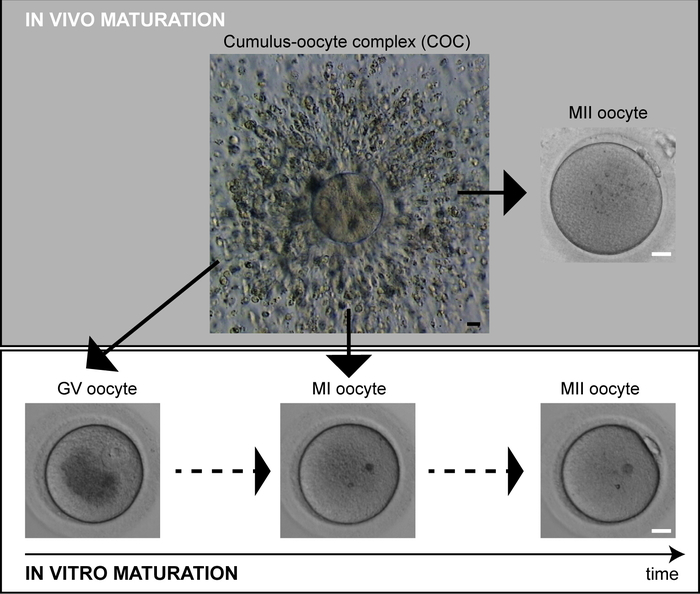
Scientific studies and clinical data confirm that maternal age and embryo quality are the two most critical, interdependent factors determining success in IVF. Maternal age is the primary predictor of egg quality and quantity, while embryo quality (morphology and genetics) directly determines the likelihood of successful implantation.

  • Success Rates by Age:
    • Under 35: ~50–60% success rate per cycle.
    • 35–37: ~40% success rate.
    • 38–40: ~20–25% success rate.
    • Over 40: 5–15% success rate (often requires donor eggs)
    • The Role of Embryo Quality
      • High-Quality Embryos: 
      • High-grade embryos (e.g., 5AA or 4AA blastocysts) have a higher chance of successful implantation and a lower risk of miscarriage.
      • Assessment: Embryologists use grading systems based on cell division, symmetry, and fragmentation (cleavage stage) or inner cell mass and trophectoderm (blastocyst stage).
      • Genetic Testing (PGT-A): Preimplantation Genetic Testing can identify chromosomally normal (euploid) embryos, which significantly increases success rates, especially in women over 35.

Conclusion:

To maximize success, clinics often focus on retrieving a sufficient number of eggs (to find a high-quality one) and using techniques like PGT-A to select the best embryo for transfer, particularly for women over 35.

Picture of Vamtam
Vamtam

Lorem ipsum dolor sit amet consectetur adipiscing elit dolor